Everything your team
makes with AI, on brand.
Your fonts, styles, voice, and assets, available directly in Claude, ChatGPT, or your AI tool of choice. Now every prompt comes back on brand the first try.
Your entire team is
now creating.
- SDRs making sales decks.
- Marketers creating websites.
- Operators building dashboards.
- Finance generating reports.
ADS keeps those all on brand.
What is an agentic design system?
An agentic design system is your brand (fonts, colors, voice, assets and examples) in a form AI tools can read, so anything your team makes in Claude, ChatGPT or Cursor comes out on brand.
A sales deck in last year’s this year’s template, with a logo from a screenshot the approved logo and product shots, and the pitch rewritten from memory as marketing wrote it.
- North Star Sales deck
- Assets Logo
- Assets Product shots
- Skills Pitch
A launch page that waits two weeks for a designer ready for review the day it’s asked for, in a template’s your own type, grid and voice.
- Tokens Type
- Tokens Grid
- Skills Voice
A dashboard in default chart colors the product’s colors, with tables nobody chose laid out like the product’s.
- Tokens Color
- Components Table
- North Star Product UI
A board report pasted together the night before that matches last quarter’s, with figures written however the export left them the house way.
- North Star Q2 board report
- Skills Number format
Give your AI more than a static brand guideline. Give it assets, skills, tokens, and annotated visuals to create on brand content, every time.
ADS works wherever you work
Before wrong voice missing fonts inconsistent patterns
Keep your prompts on brand.
Your brand will wander, getting weaker, and watered down without guidance. ADS points your prompts directly to your brand system and its assets.
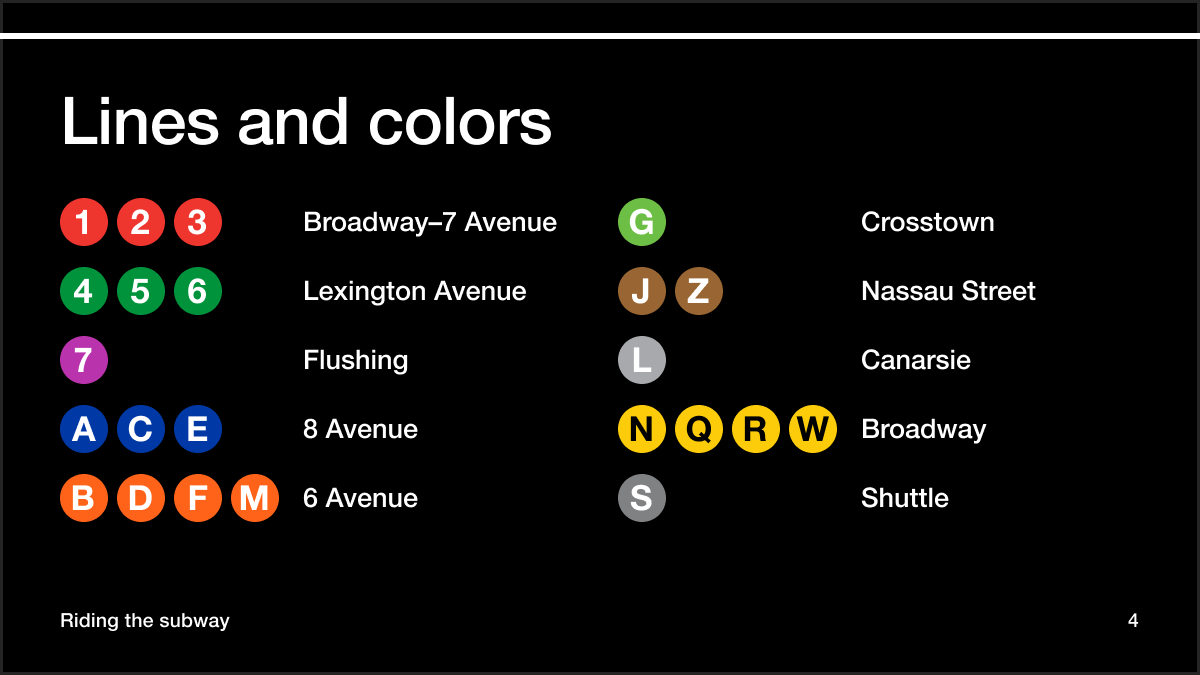
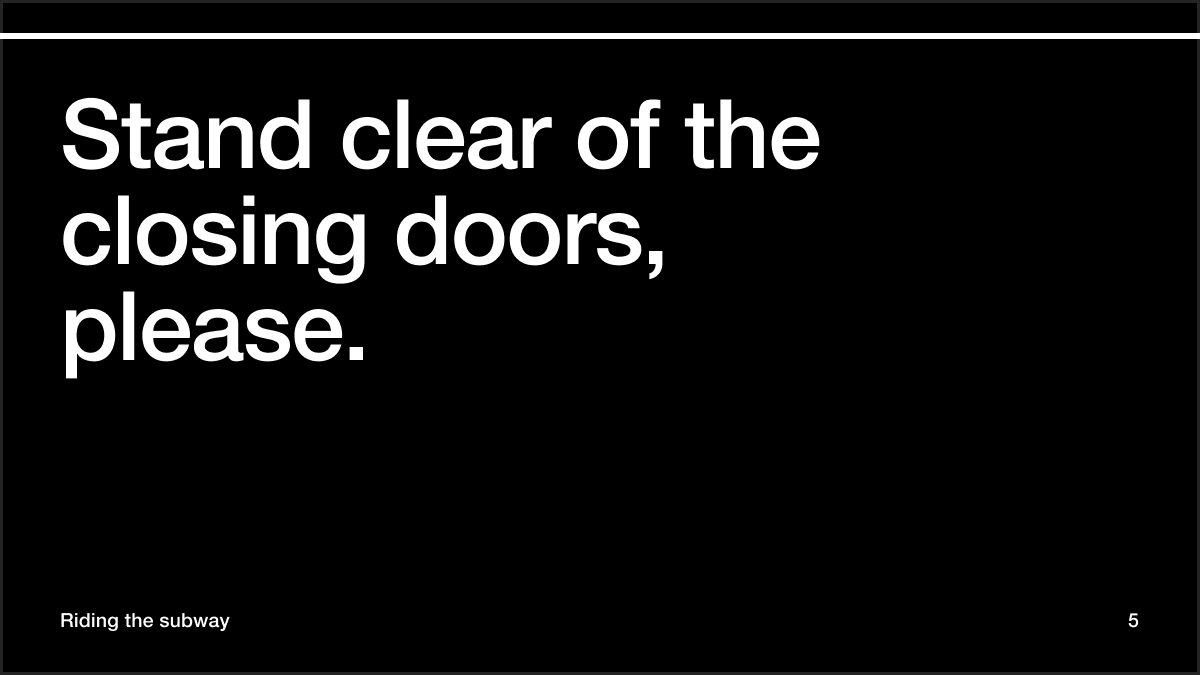
After correct voice brand assets consistent patterns
Get started today.
We’ll work with you to collect the information needed, and get you completely set up on ADS. We’re also always a message away, and can help out at any time.
Here’s what you bring
A brand with some guidelines in place: a site, a deck, a brand book, logo and font files. Any shape is fine. If it is written down somewhere, we can work from it.
This is what we do
Transcribe your guidelines into ADS: tokens, skills and every page, written from your material. Upload the assets, connect your tools, invite your team.
And here’s what you’ll get
A live workspace at ads.yourcompany.com with all four layers and one MCP URL. Your team edits it, your agents read it.
Not sure if you’re ready yet? Schedule a call
Some common questions people ask.
Anything else, simply message aeryk@nicer.com, or Book a Call.
An agentic design system is your brand (fonts, colors, voice, assets and examples) in a form AI tools can read, so anything your team makes in Claude, ChatGPT or Cursor comes out on brand. Most talk about agentic design systems is about component libraries for coding agents. Ours covers that, and also everything else your team makes: decks, posts, pages and emails.
ADS can be read by anything that speaks MCP or can read a URL: Claude, ChatGPT, Cursor, Claude Code, and the agents your team builds. Connect once per tool and it is there in every chat after that.
To make Claude use your brand guidelines, connect it to a place where those guidelines live in a form it can read. With ADS that place is one MCP URL: add it to Claude as a connector once, and Claude can look up your tokens, voice, assets and examples whenever it makes something.
You connect your brand assets to ChatGPT or Cursor by adding your ADS workspace’s MCP URL in the tool’s connector settings. It is the same URL for every tool. After that your real logo, fonts, photography and templates are there in any chat.
An MCP brand server is a service that hands your brand to AI tools over the Model Context Protocol, the standard Claude, ChatGPT and Cursor use to reach outside sources. ADS is one: a private workspace behind a single URL that returns your tokens, skills, assets and Northstar references when a tool asks for them.
A brand guidelines PDF is written for people to read, and ADS is the same brand written for AI tools to use. A PDF describes the logo and the colors. ADS hands over the logo file and the color values, along with instructions for voice and examples of finished work, and a tool can ask for exactly the part it needs.
A component library or the Figma MCP gives a coding agent UI components and design files, which helps when the job is building product screens. ADS covers the brand itself: voice, type, color, logos, photography and examples, for the decks, posts, pages and emails the rest of your team makes. The two work side by side.
No, ADS does not replace Figma, Notion or GitHub. Those stay where they are. ADS is the version an agent can read, kept alongside them and pointed at them where it helps.
To set up ADS you need a brand with some guidelines in place: a website, a deck, a brand book, a logo, font files. Any shape is fine. We write the system from your material, and you review it before it goes live. If nothing is written down yet, book 30 minutes with Aeryk: that is studio work, scoped separately.
An ADS workspace is live four days after we get your files. If you want us in the room instead, timing is scoped on the call.
ADS costs $199 for setup, paid once, at the founding price, which runs for a limited time. After that, setup is $1,000. There is no monthly fee. The product itself stays the same; the founding price is for the teams that help us shape it.
Yes, your team can edit ADS after setup. It is a workspace with Owner, Editor and Viewer roles, drafts and publishing. Agents only ever read what has been published.
Yes, every ADS workspace is private to its members, with keys you can rotate. Nothing is shared between teams, and nothing is used to train anything.
Love what you see, but don’t have a defined brand yet?
We built ADS to solve the problems our clients were seeing every day. If you’re curious to learn more about what that means, we’d love to chat.